Source Organic Plant Based Male Supplements for Energy, Vitality, and Wellness
Find 30 verified organic plant based male supplements from manufacturers in China and Thailand. Compare capsule models, GMP certifications, and bulk pricing options to identify suitable dietary solutions for adult male health.
Key considerations
Products List






Comprehensive Sourcing Guide
Organic Plant Based Male Supplements Sourcing Guide
Sourcing organic plant-based male supplements requires a disciplined approach to verifying ingredient integrity, manufacturing standards, and commercial terms. The market for these products is characterized by a wide variance in formulation quality, packaging options, and regulatory compliance across different regions. Buyers must navigate a landscape where "organic" claims are often paired with various certification levels, ranging from basic Good Manufacturing Practices (GMP) to more rigorous international standards. Understanding the specific attributes of the supply base, including origin locations and production capabilities, is essential for mitigating risk and ensuring product consistency.
This guide provides a structured framework for evaluating suppliers of herbal dietary supplements, with a specific focus on male-targeted formulations. By examining observed listing signals, technical specifications, and compliance documentation, procurement professionals can make informed decisions that align with their brand positioning and quality requirements. The following sections detail the critical verification steps and commercial considerations necessary for successful sourcing in this specialized category.
Product Scope and Observed Listing Signals
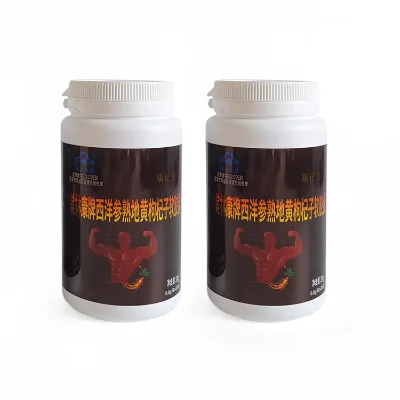
The current market for organic plant-based male supplements exhibits significant diversity in product naming and functional positioning. Listings frequently use terms such as "Herbal Supplements," "Dietary Supplement for Men," and "herbal dietary supplement Capusles" to describe similar product categories. These variations indicate that suppliers often operate under flexible branding strategies, allowing for private label customization. Buyers should recognize that the core product type is generally classified as food or dietary supplement, with a primary target audience of adult males. The presence of multiple product names suggests that suppliers may offer a range of formulations under different model numbers, such as ZD10, JF01#, H10, ZD30, and P01, each potentially tailored to specific market demands.
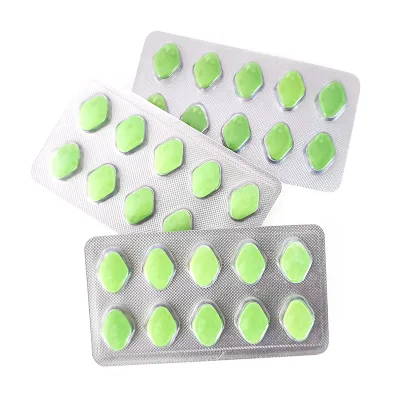
Observed listing signals reveal a strong emphasis on customization and flexible packaging solutions. Suppliers commonly offer "Your Requirement" for size, shape, and packing, indicating a high degree of adaptability to buyer specifications. Packaging options range from bulk shipments to individual blister packs, bottles, and boxes, with specific standards like 10 capsules/blister or 30 capsules/bottle being noted. Additionally, features such as "Sugar-Free," "Low-Fat," "Decaffeinated," and "Organic" are frequently highlighted, appealing to health-conscious consumers. The availability of sample products and logo printing services further supports the private label model, allowing buyers to establish unique brand identities without the need for extensive initial inventory commitments.
Technical Specifications to Verify
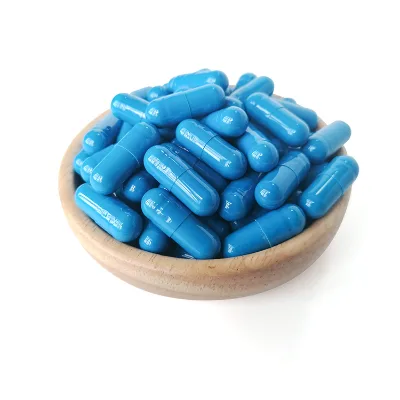
Technical verification begins with confirming the physical and chemical attributes of the supplement capsules. Key specifications to validate include the capsule size, which may support standard sizes like 00# or custom dimensions, and the weight per pill, with observed standards ranging from 500 mg to 0.3g per capsule. The dosage instructions vary significantly across listings, with some recommending one capsule once a day and others suggesting two capsules twice a day. Buyers must ensure that the dosage guidelines provided by the supplier align with the intended usage and regulatory requirements of their target market. Additionally, the storage conditions, typically requiring a cool, dry, and moisture-proof environment, must be clearly defined to maintain product stability and efficacy throughout the supply chain.
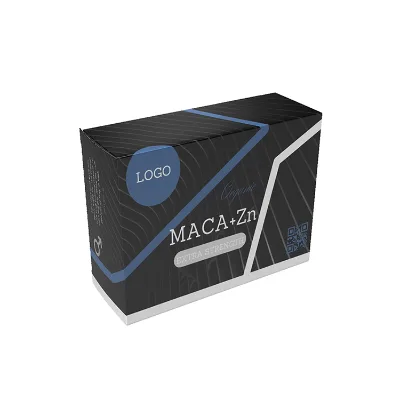
Packaging and labeling specifications are critical for both product protection and regulatory compliance. Suppliers may offer various packing methods, including carton packing, bulk packaging, or customer-specific requirements. The single package size, such as 9.5x6.5x6 cm, provides a baseline for logistics planning, but buyers should verify if custom dimensions are available to optimize shipping costs. Color options for packaging are often available, allowing for brand differentiation. It is essential to confirm the exact contents per package, whether it is 4, 5, 6, 10, or 30 capsules, and to ensure that the labeling accurately reflects the ingredient list, dosage, and any allergen information as required by local regulations.
Compliance and Safety Documentation
Compliance with manufacturing standards is a non-negotiable aspect of sourcing herbal supplements. Suppliers often list certifications such as QS, HACCP, GMP, and ISO, which indicate adherence to specific quality and safety protocols. Buyers should verify the validity and scope of these certifications, ensuring they cover the specific manufacturing processes and facilities used for the ordered products. The presence of these certifications suggests a baseline level of quality control, but buyers must also consider additional standards like ISO 22000 for food safety management systems, depending on the regulatory requirements of their destination market.
Origin and traceability are also critical components of compliance. Products may originate from various locations, including Guangxi, China, or Thailand, each with its own regulatory environment and supply chain characteristics. Buyers should request documentation that confirms the origin of raw materials, particularly for organic ingredients, to ensure they meet the organic standards of their target market. Additionally, suppliers should provide certificates of analysis (COA) for each batch, verifying the potency, purity, and absence of contaminants. The period of validity for the product, often listed as two years, should be clearly stated to manage inventory turnover and minimize waste.
Cost Drivers and Commercial Terms
Cost structures in the herbal supplement market are influenced by several factors, including ingredient quality, certification levels, and packaging complexity. The observed price range of $0.01 to $35 USD reflects the vast diversity in product types, from basic bulk ingredients to premium, fully packaged private label solutions. Buyers should understand that lower prices may correspond to simpler packaging or less stringent certification requirements, while higher prices may reflect organic certification, custom branding, or specialized formulations. It is crucial to request detailed quotations that break down costs for ingredients, manufacturing, packaging, and shipping to identify potential savings and value-added services.
Minimum Order Quantities (MOQs) and payment terms are significant commercial considerations. MOQs can range from as low as 1 bottle to 100,000 units, offering flexibility for both small startups and large enterprises. Buyers should negotiate MOQs based on their sales forecasts and storage capabilities, considering the option to start with smaller orders to test market response. Payment terms, such as deposits and balance payments upon shipment, should be clearly defined in the contract. Additionally, buyers should inquire about sample costs and whether they are refundable upon placing a bulk order, as this can impact the initial investment required to evaluate supplier quality.
Supplier Qualification and Quality Control
Supplier qualification involves a thorough assessment of manufacturing capabilities and quality control processes. Buyers should request facility audits or third-party inspection reports to verify that the supplier's production environment meets international standards. Key areas to evaluate include raw material sourcing, mixing and blending processes, capsule filling, packaging, and final product testing. Suppliers with a history of producing supplements for reputable brands or those with extensive export experience may offer greater reliability and consistency. Additionally, buyers should assess the supplier's ability to handle customization requests, such as unique formulations or packaging designs, without compromising quality.
Quality control measures should be integrated into the procurement process from the outset. Buyers should establish clear quality specifications in the purchase agreement, including acceptable ranges for active ingredient potency, moisture content, and microbial limits. Regular quality checks, such as pre-shipment inspections or third-party laboratory testing, can help ensure that the delivered products meet these specifications. Suppliers should be required to provide batch-specific certificates of analysis and maintain detailed records of production and testing for traceability. Establishing a robust quality control framework helps mitigate the risk of receiving substandard products and protects the buyer's brand reputation.
Long-Term Procurement Checks
Long-term procurement success depends on continuous monitoring of supplier performance and market trends. Buyers should establish key performance indicators (KPIs) to track supplier reliability, including on-time delivery rates, product quality consistency, and responsiveness to issues. Regular communication with suppliers is essential to address any emerging challenges, such as raw material shortages or regulatory changes. Additionally, buyers should stay informed about evolving consumer preferences and regulatory requirements in the organic supplement market, adjusting their sourcing strategies accordingly to maintain competitiveness.
Building a resilient supply chain involves diversifying suppliers and maintaining strong relationships with key partners. Buyers should consider qualifying multiple suppliers for critical products to reduce dependency on a single source and mitigate supply chain risks. Regular reviews of supplier contracts and performance can help identify opportunities for cost savings and process improvements. Furthermore, buyers should invest in market research to anticipate shifts in demand for specific ingredients or formulations, allowing them to proactively adjust their procurement plans. By maintaining a proactive and strategic approach to supplier management, buyers can ensure a steady supply of high-quality organic plant-based male supplements.
FAQs
What certifications do the organic supplements have?
The products hold QS, HACCP, GMP, and ISO certifications. These standards ensure quality and safety for adult dietary supplements manufactured in China or Thailand.
Can I customize the packaging and logo for orders?
Customization is available for packaging and logo printing. Buyers can request specific box, bottle, or blister formats, though some listings may initially show without logo printing.
What is the minimum order quantity for these supplements?
The minimum order quantity ranges from 1 to 100,000 units depending on the supplier. Specific models may require a minimum of 10 bottles or vary by packaging type.
How should I store the herbal dietary supplements?
Store the supplements in a cool, dry place to maintain moisture-proof conditions. This ensures the vitamins and organic ingredients remain effective throughout their two-year validity period.
What are the available capsule sizes and specifications?
Capsule sizes include 00# or custom options with weights like 500 mg per pill. Specifications vary by model, offering counts such as 10 capsules per box or 30 per bottle.
Are samples available for testing before bulk purchase?
Samples are available for evaluation before placing a large order. This allows buyers to verify the quality of the organic plant-based male supplements before committing to bulk quantities.